Home Blog Page 3

EBRD, EU launch risk-sharing facility to boost MSME lending in Montenegro

0
EBRD Montenegro

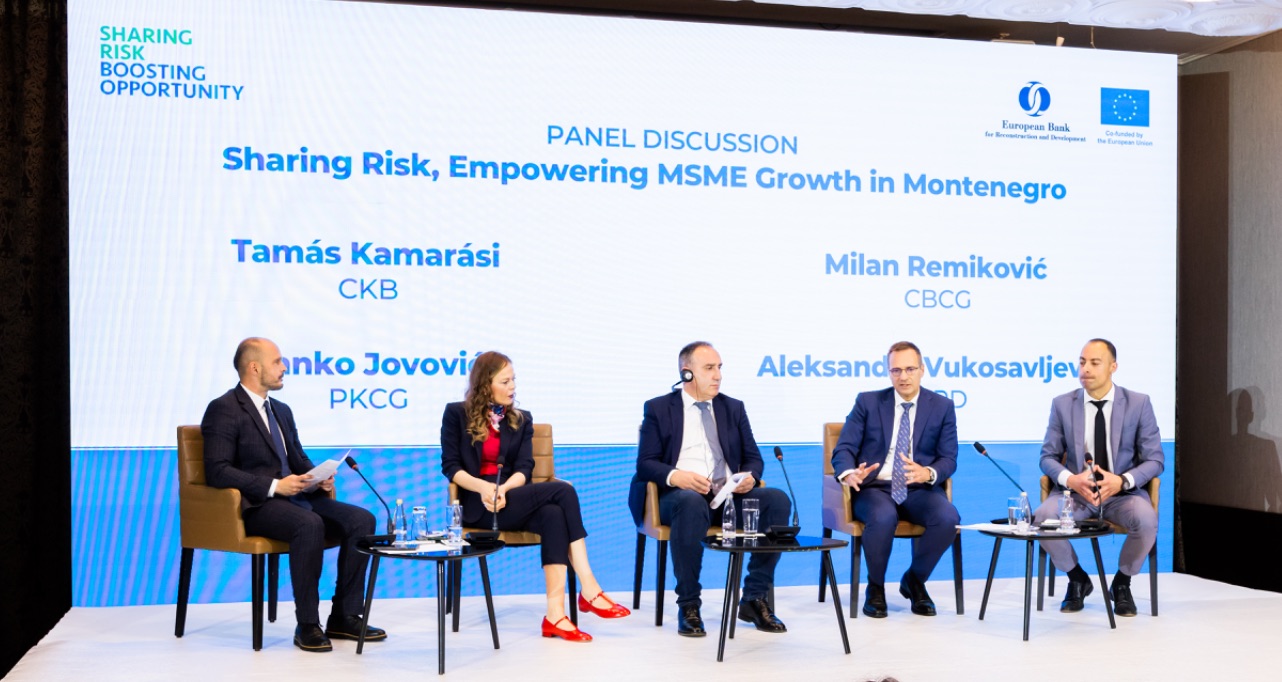
The European Bank for Reconstruction and Development (EBRD) and the European Union (EU) have launched a portfolio risk-sharing facility in Montenegro aimed at expanding financing for micro, small and medium-sized enterprises (MSMEs), as development institutions increase their use of guarantees to mobilize private-sector lending in the Western Balkans.

The facility, launched in Podgorica, is co-funded by the EU through the European Fund for Sustainable Development Plus guarantee programme and will allow local banks to extend new loans to smaller businesses with reduced credit risk exposure.

Under the scheme, the EBRD will provide participating financial institutions with unfunded guarantees covering as much as 50% of the credit risk on eligible MSME loans, according to details released by the institutions.

The mechanism is designed to help banks increase lending to businesses that often face difficulty accessing credit due to limited collateral, shorter operating histories or higher perceived risk profiles.

The EBRD said the instrument has been recognised by the Central Bank of Montenegro as an unfunded credit protection instrument, allowing lenders to obtain regulatory capital relief on the guaranteed portion of the exposure.

The facility will initially be available in Montenegro through Crnogorska komercijalna banka, while similar programmes are being rolled out across other Western Balkan markets.

The programme also targets underserved segments, including women-led and youth-led enterprises, as well as MSMEs operating in rural areas.

Development finance institutions have increasingly used risk-sharing structures and guarantees to mobilize local bank lending without directly deploying large amounts of balance-sheet capital, particularly in emerging markets where smaller businesses remain underserved by commercial banks.

Valentina Di Sebastiano, programme manager at the EU Delegation to Montenegro, said the EU wants to support private-sector development as Montenegro moves toward integration with the EU single market.
IFC eyes €42m financing for OKKO-backed wind project in Ukraine

0
IFC Ukraine

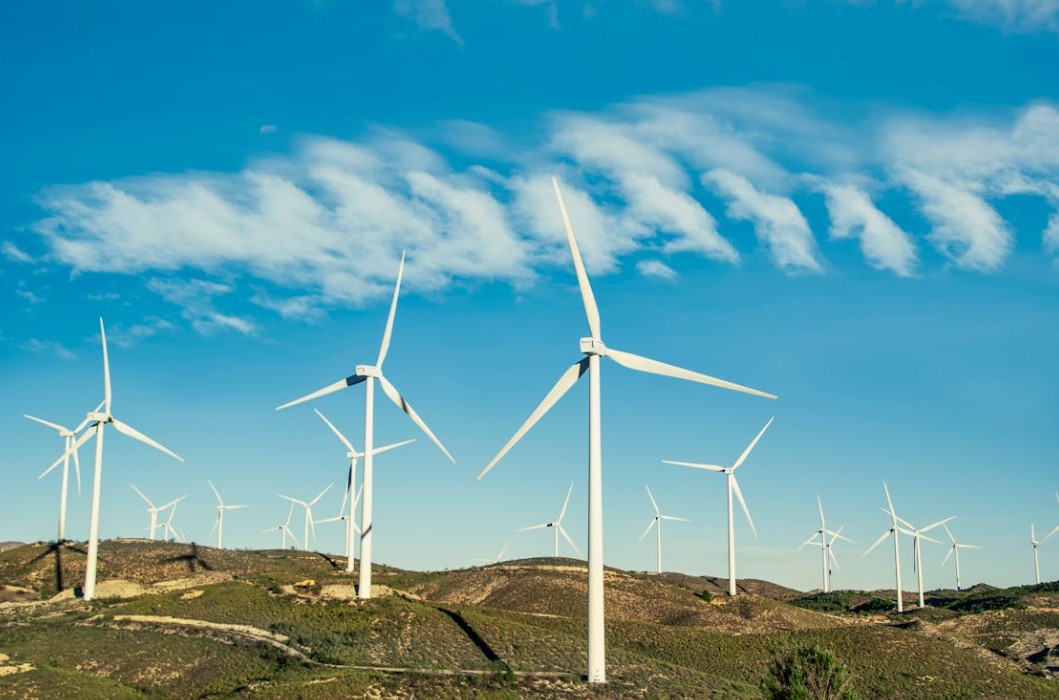
The International Finance Corporation (IFC) is considering financing for a €262 million wind power project in Ukraine, as the country seeks to strengthen electricity supply and expand domestic renewable generation amid wartime pressure on its energy system, according to a disclosure seen by DevFiNews.

IFC plans to provide about €42 million from its own account for the 189-megawatt greenfield onshore wind project, according to the disclosure.

The project is being developed by Volyn West Wind-2 LLC and Volyn West Wind-3 LLC, special purpose companies incorporated in Ukraine.

The wind farm will sell its generation under a corporate power purchase agreement, a structure IFC said could help deepen Ukraine’s corporate PPA market and support similar long-term offtake arrangements.

The project companies are owned by VI.AN Holding through Wind Solar Invest LLC and Closed Non-Diversified Venture Corporate Investment Fund RIMINI, which is part of OKKO Group AG.

The sponsor is GNG Retail Limited, a Cyprus-based holding company for Concern Galnaftogaz JSC, the operator of Ukraine’s OKKO-branded fuel station network.

IFC said the project would add clean and affordable generation needed to help avert an imminent capacity shortage in Ukraine, which it classified as a fragile and conflict-affected market under extreme duress.

The project is expected to improve energy-system resilience by increasing the share of domestically produced renewable power and diversifying Ukraine’s generation mix away from fossil fuels.

IFC said its support may include own-account lending, concessional financing, first-loss guarantees and the mobilization of parallel loans.

It is also helping strengthen the project’s bankability through electricity market assessment and technical guidance on environmental and social risk management.

The lender classified the project as Category B, meaning potential environmental and social risks are limited, site-specific and manageable through mitigation measures.

Key issues include contractor management, labour safety, stakeholder engagement, community impacts and biodiversity risks involving birds and bats.

The proposed investment underscores continued multilateral support for Ukraine’s private-sector energy infrastructure, even as the war raises financing, construction and operational risks for large-scale power projects.

IFC plans $82m loan for Akij Shipping fleet modernization in Bangladesh

0
IFC Akij Shipping
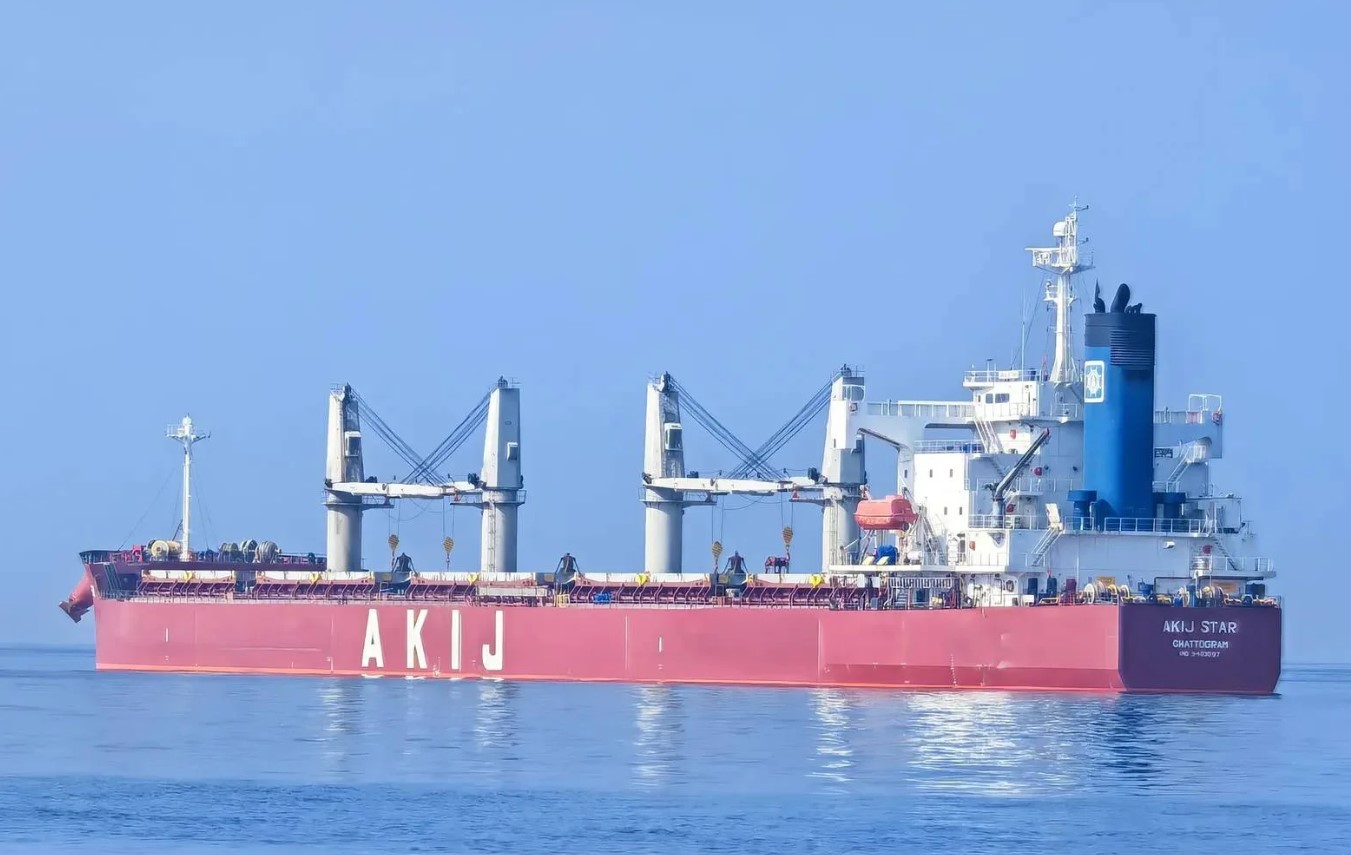
Photo from Akij Shipping's website.

The International Finance Corporation (IFC) is backing Bangladesh’s push to modernize its maritime logistics sector with up to $82 million in proposed financing for Akij Shipping, as the South Asian economy seeks more efficient freight capacity and cleaner shipping operations.

The 10-year senior secured facility will support the acquisition of three to four second-hand Ultramax bulk carriers and the retrofitting of existing vessels under Akij Shipping’s fleet renewal, expansion and decarbonization programme, according to documents seen by DevFiNews.

The financing will be extended to Akij Carriers Ltd, Akij Sea Line Ltd and Akij Drybulk Ltd, all affiliated with Akij Shipping Line Ltd, according to an IFC disclosure.

The package will comprise an IFC A-loan of up to $52 million and as much as $30 million in B1 loans from parallel lenders.

The total project cost is estimated at $126.1 million and will be financed through 65% debt and 35% equity. IFC intends to commit an initial $40 million in fiscal 2026, with subsequent commitments in fiscal 2027 subject to vessel identification and negotiations.

The transaction reflects growing interest among development finance institutions in supporting maritime decarbonization and trade infrastructure in emerging markets, where shipping operators face pressure to modernize fleets while maintaining reliable cargo capacity.

Akij Shipping currently operates 10 dry bulk vessels across entities in Bangladesh, Singapore and the UAE. Its ships are managed and chartered by Akij Shipping Lines Pte Ltd in Singapore.

IFC is also providing advisory support alongside the proposed investment, including market and technical assessment, environmental and social gap analysis, and a fleet decarbonization roadmap.

A separate corporate governance advisory workstream aims to strengthen board effectiveness, internal controls and transparency, including improved board composition with independent directors.

Akij Shipping is part of Akij Resource, a diversified Bangladeshi conglomerate controlled by Sheikh Jasim Uddin and his family. The group employs more than 8,000 people across shipping, logistics, building materials, commodity trading, agriculture, IT and other sectors, and generated about $578 million in revenue in fiscal 2025.

IFC said the project is expected to improve access to reliable and efficient freight shipping services in Bangladesh, support job creation and deliver environmental co-benefits.

FMO considers $12.5m debt financing for M-KOPA Kenya electric mobility business

0
M-KOPA

Dutch development bank FMO is considering a $12.5 million senior debt investment in M-KOPA’s Kenya electric mobility business to support financing for electric motorcycles and batteries aimed at micro-entrepreneurs in the country.

According to project disclosures seen by DevFiNews, the proposed financing would support M-KOPA Kenya Mobility Ltd’s growing portfolio of electric motorbike receivables and refinance a $7 million bridge facility previously provided by one of the group’s shareholders to support early-stage operations.

M-KOPA, founded in 2012, provides financing and digital financial products to underserved consumers and small entrepreneurs across Africa using mobile-based payment systems and alternative credit models. Its Kenya mobility unit was established in 2023 to focus on the sale and financing of electric motorcycles and batteries.

The proposed transaction underscores growing interest among development finance institutions in supporting clean mobility financing platforms in emerging markets, particularly models targeting informal workers and small businesses with limited access to traditional banking services.

FMO said the investment aims to address the shortage of affordable clean transport options and limited access to financing for micro-entrepreneurs in Kenya, while also helping ease constraints in local-currency debt financing for the sector.

The transaction is expected to receive FMO’s “100% Green” and “100% Reduced Inequalities” labels.

FMO classified the project as Environmental and Social Category B, citing limited potential risks related to waste management and labour conditions.

The project triggers several IFC Performance Standards related to environmental and social risk management, labour conditions, pollution prevention, and community health and safety.

IFC weighs backing $500m Africa growth equity fund targeting development sectors

0
Virunga Africa Fund II IFC

The International Finance Corporation (IFC), a member of the World Bank Group, is considering a potential equity investment of up to $25 million in Virunga Africa Fund II, a planned $500 million growth equity vehicle targeting mid- to large-cap African companies in sectors including healthcare, education, digital infrastructure, financial services, and consumer goods.

The fund will be managed by Admaius Capital Partners, an African-owned private equity firm founded in 2021 and headquartered in Kigali, Rwanda, according to project documents seen by DevFiNews.com.

Virunga Africa Fund II aims to build a portfolio of 10 to 12 companies, with target investment sizes ranging from $15 million to $50 million.

IFC’s proposed commitment would be capped at 20% of total commitments and includes a co-investment envelope of up to $10 million.

“IFC’s equity commitment and co-investment envelope will also help mobilize capital from private investors at the second close, enabling the Fund to reach its final target size,” IFC said.

ALSO READ: IFC plans first Philippine SME securitisation with $110m First Circle facility

Private equity fundraising across Africa has remained challenging amid higher global interest rates and weaker investor appetite for emerging markets.

African mid-market companies continue to face limited access to long-term growth capital, particularly in development-linked sectors.

IFC said the fund is expected to expand access to equity financing for companies operating in sectors with strong development impact potential, including healthcare, education, and financial inclusion.

The institution also said the fund’s successful fundraising and deployment could help strengthen competition in Africa’s private equity market.

Admaius currently manages Virunga Africa Fund I, a 2022-vintage fund with $280 million in commitments and investments in eight companies across the continent.

The fund excludes investments in coal-related activities, K-12 education, non-RSPO palm oil, high-risk financial institutions, and Category A activities under IFC’s environmental and social framework.

IFC plans first Philippine SME securitisation with $110m First Circle facility

0
IFC First Circle

The International Finance Corporation is proposing an investment of up to $110 million in a securitisation facility backed by SME receivables originated by Philippine fintech lender First Circle, marking what could become IFC’s first securitisation transaction in the country.

The proposed financing package includes up to $30 million from IFC’s own account, comprising as much as $20 million in senior notes and $10 million in mezzanine notes, alongside up to $80 million expected to be mobilised from B-loan and parallel lenders.

The facility will be issued through a newly established special purpose vehicle in the Philippines that will acquire and pool a diversified portfolio of SME receivables originated and serviced by First Circle, a wholly owned subsidiary of Singapore-incorporated Carabao Capital Global.

“The most significant expected project-level outcome is increased access to finance for SMEs,” IFC said, adding that the facility would support sectors including agriculture, healthcare, tourism, construction, and value-added manufacturing.

IFC said the securitisation structure would provide longer-term, tailored capital for productive uses such as working capital, inventory, and growth investments.

ALSO READ: IFC weighs $40m anchor investment in Peru MSME receivables fund

The proposed facility is expected to run for up to four years with annual rollover options during the first three years, subject to legal and regulatory due diligence.

Securitisation remains relatively underdeveloped in the Philippines compared with more mature credit markets, limiting the use of asset-backed structures as a funding tool for non-bank lenders and fintech firms.

IFC said the transaction would help deepen the country’s nascent securitisation market while creating a new funding channel for lenders serving underserved borrowers.

By transferring receivables into a bankruptcy-remote vehicle, the structure is intended to improve investor confidence by providing exposure to a collateralised asset pool with an enhanced credit profile.

The deal could also encourage greater participation from institutional investors and demonstrate the viability of SME-backed securities in the Philippine market.

Commitments are expected to be executed in multiple tranches, with IFC participating in an initial tranche of up to $15 million across senior and mezzanine notes.

First Circle’s shareholders include IFC, Insignia Ventures Partners, and Koru Ventures Fund I, a Singapore-based vehicle linked to Venturra.

Development finance institutions globally are increasingly using structured finance vehicles to mobilise private capital into underserved SME lending markets.

FMO eyes $40m commitment for Argentina solar and battery projects

0
360 Energy FMO
Photo by Nuno Marques on Unsplash.

Argentine renewable energy platform 360 Energy is seeking up to $120 million in syndicated financing led by Dutch development bank FMO to fund new solar projects and refinance existing debt, according to a disclosure seen by DevFiNews.

The move highlights how development lenders are stepping in to provide scarce long-term capital in one of Latin America’s most volatile markets.

The proposed financing would support the construction and operation of three solar photovoltaic projects in Argentina — PSF Arrecifes, Realicó and La Rioja IV — with combined capacity of more than 80 megawatts, alongside battery storage infrastructure aimed at easing pressure on the country’s constrained power grid.

FMO is considering committing up to $40 million as part of the wider loan package, according to project documents.

ALSO READ: FMO plans $60m loan for Egypt’s 900-MW Gulf of Suez wind project

The financing would also refinance short-term debt tied to two other solar parks and help retire bonds maturing in 2027, allowing the company to extend maturities and reduce refinancing risk amid Argentina’s unstable macroeconomic environment.

The borrowers are Argentine project companies controlled by 360 Energy S.A., a solar-focused renewable energy developer with nearly 247 MWp of operating assets across the country under the GENREN, RenovAr and MATER renewable energy programmes.

The company counts Stellantis subsidiary FCA Automobiles Argentina as a minority shareholder.

The deal underscores how development finance institutions continue to play a central role in financing renewable energy projects in frontier and high-risk markets where long-tenor U.S. dollar funding remains limited.

Argentina’s economic instability, high inflation and currency pressures have constrained access to affordable international financing for infrastructure developers.

FMO classified the transaction as Category B+ under its environmental and social framework, citing risks linked to labor regulations, biodiversity impacts, transmission infrastructure and supply-chain due diligence for solar equipment.

The lender said further environmental and social assessments would determine whether biodiversity mitigation measures are needed, particularly for the La Rioja IV project site.

The transaction aligns with FMO’s climate and energy transition strategy, which focuses on scaling renewable energy and grid infrastructure in emerging markets.

FMO plans $60m loan for Egypt’s 900-MW Gulf of Suez wind project

0
IFC Egypt
Photo by Jason Mavrommatis on Unsplash.

Dutch development bank FMO plans to provide up to $60 million in long-term financing for a 900-megawatt wind power project in Egypt, backing one of the country’s largest renewable energy developments as Cairo seeks to expand clean energy capacity and diversify its electricity mix.

The financing will support the development and construction of the Gulf of Suez III onshore wind project in West Gabal El Zayt, a key wind corridor along Egypt’s Red Sea coast, according to project disclosures.

The project company, Shokeir Wind Energy S.A.E., is backed by a consortium comprising Japan’s Toyota Tsusho Corp unit Aeolus, which holds a 40% stake, France-based utility ENGIE with 35%, and Egypt’s Orascom Construction with 25%.

FMO said the loan would be extended under a “Friendship Facility” led by French development finance institution Proparco, alongside other development finance institutions and commercial lenders.

Development finance institutions are playing a key role in Egypt’s renewable energy pipeline, as long-tenor project financing of this nature remains limited among local and regional commercial banks.

Egypt has been trying to attract more private capital into renewable energy as part of efforts to reduce dependence on fossil fuels, ease pressure on its power sector and support its climate commitments. The Gulf of Suez has emerged as one of the country’s most important wind development zones because of its strong wind resources.

The project, however, faces heightened environmental scrutiny because of its location in the Gulf of Suez, a globally significant migratory bird corridor.

FMO classified the transaction as Category A under its environmental and social framework, citing potential biodiversity risks, cumulative impacts on migratory soaring birds, labor issues, community health and safety risks, and possible human rights concerns in the wind turbine supply chain.

The lender said its financing decision remains conditional on the outcome of ongoing environmental assessments, including confirmation that the project and related infrastructure are not located in sensitive migratory bird zones identified under regional strategic studies.

FMO said the project is expected to contribute to climate mitigation and align with Sustainable Development Goal 13 on climate action.

ADB taps blended finance model for Acwa’s Uzbekistan wind project

0
ADB Acwa
Karsten Würth

The Asian Development Bank has signed a $116 million financing package with Saudi Arabia-based renewable energy developer Acwa Power to support a 300-megawatt wind power project in Uzbekistan

The financing for the Bash 2 wind project in Uzbekistan’s Bukhara region includes a $50 million loan from ADB’s ordinary capital resources, $41 million mobilized from commercial lenders with ADB acting as mandated lead arranger and bookrunner, and $25 million from the Leading Asia’s Private Infrastructure Fund 2 (LEAP 2).

ADB is also serving as environmental and social coordinator for parallel lenders including the Asian Infrastructure Investment Bank and Standard Chartered.

The project marks the latest renewable energy investment backed by ADB in Uzbekistan, where the lender has increasingly used blended and syndicated financing structures to crowd in private investment into large-scale infrastructure projects.

Bash 2 is an extension of the Bash Wind Power Project cofinanced by ADB in 2023.

It willinclude 39 wind turbines with capacities of up to 8 MW each, alongside a new substation and transmission infrastructure connecting the plant to Uzbekistan’s national grid.

ADB said its supported renewable energy projects in Uzbekistan now exceed 2 gigawatts of capacity, including the Bash and Dzhankeldy wind projects, the Nukus 2 wind and battery storage project, and solar projects in Samarkand.

“As we expand our portfolio in the country, it underscores the strength of well-structured public–private partnerships in mobilizing capital efficiently and delivering reliable, cost-competitive, and clean power at scale,” said Acwa chief financial officer Abdulhameed AlMuhaidib. “We’re committed to deliver more for Uzbekistan to support achieving its power mix targets by 2030,”

ADB said the Bash 2 project is expected to create at least 800 construction jobs and 25 permanent operational positions. It will also support initiatives aimed at increasing women’s participation in the renewable energy sector

LEAP 2 is a $1.5 billion fund backed by the Japan International Cooperation Agency and managed by ADB. It was established in 2023 to finance sustainable private sector infrastructure projects across developing Asian markets.

IFC weighs $40m anchor investment in Peru MSME receivables fund

0
IFC Peru
Photo by Anna Khromova on Unsplash.

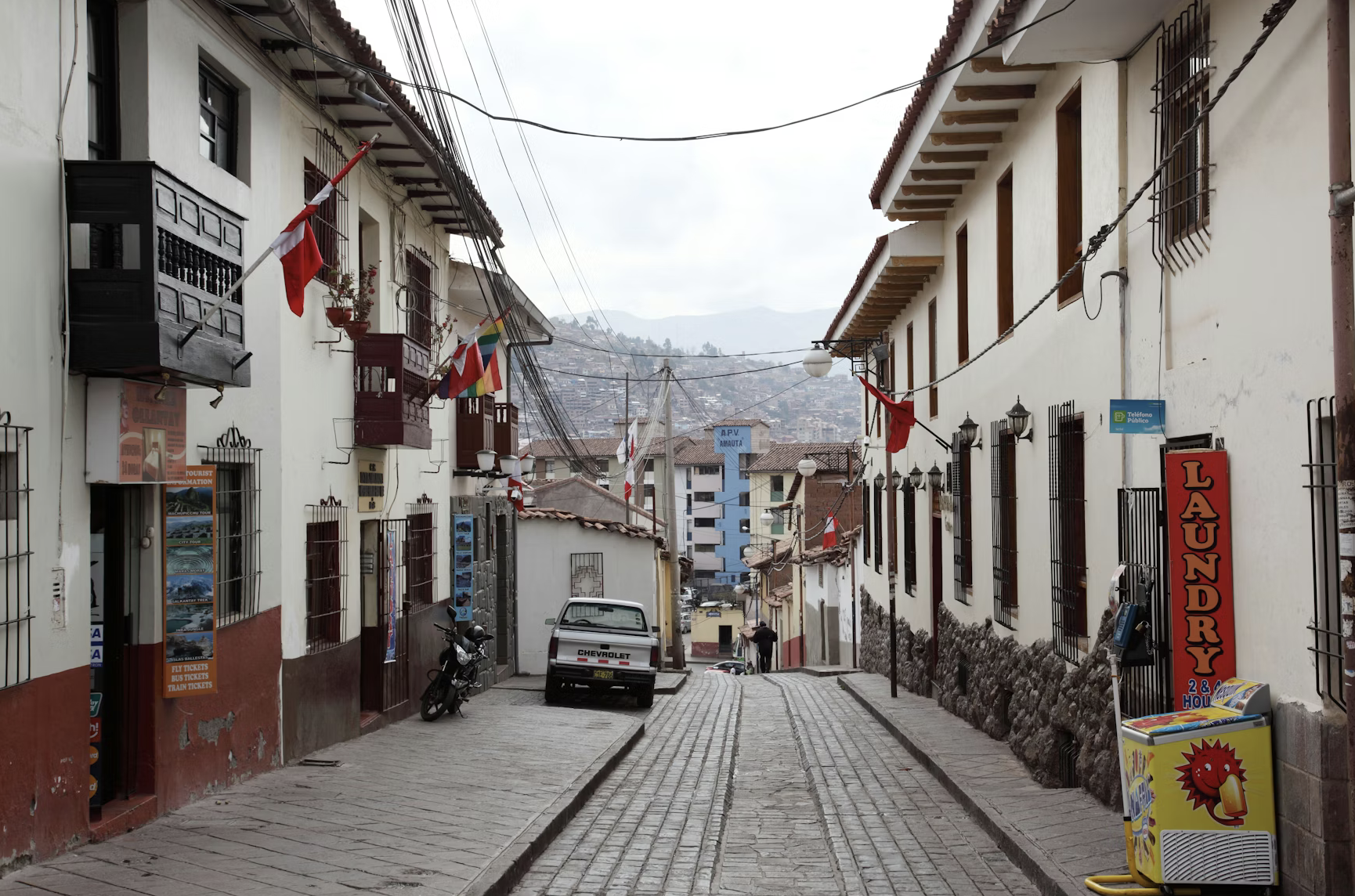
The International Finance Corporation (IFC) is considering an investment of up to $40 million in a Peru-focused trade receivables fund, as the World Bank Group member seeks to expand non-bank financing channels for micro, small, and medium enterprises in the country.

The proposed commitment, equivalent in Peruvian soles, would account for up to 20% of total commitments in Compass Fondo de Inversion Adelanto de Efectivo, or Compass FAE, an unlisted, closed-ended fund with a tenor of up to eight years, according to documents seen by DevFiNews.

The fund will provide financing through factoring and reverse factoring, structures that allow businesses to convert receivables into immediate liquidity and improve access to working capital.

IFC’s anchor participation is expected to mobilise at least one dollar of additional private capital for every dollar it invests.

The investment comes as Peru’s credit market remains shallow, with credit to GDP at about 45%. The formal financing gap for MSMEs is estimated at $10 billion, or 4.7% of GDP.

Smaller businesses remain heavily reliant on supplier credit and short-term bank lines, while women-led MSMEs face a wider credit constraint than male-led firms despite lower past-due loan ratios.

MSMEs account for about 31% of Peru’s GDP and nearly 60% of employment, making working-capital access critical for business growth, competitiveness and job preservation.

Development finance institutions have increasingly promoted factoring and supply-chain finance in emerging markets as a way to expand liquidity access for smaller firms without relying solely on traditional bank lending.

The project builds on broader World Bank Group efforts to develop factoring and reverse factoring as alternative financial intermediation channels in Peru.

Compass FAE is managed by Vinci Compass Sociedad Administradora de Fondos, the Peruvian subsidiary of Vinci Compass Investments, which was formed through the December 2024 merger of Vinci Partners Investments and Compass Group Asset Management.

The combined platform manages more than $54 billion in assets.

Vinci Compass SAF Peru, founded in 2002, has closed three funds totaling $400 million.

It pioneered reverse factoring in Peru and previously managed the country’s largest factoring fund, which reached $170 million in assets before closing in 2019.

IFC said the project would also support Peru’s private debt market by broadening financing options in a concentrated lending market dominated by banks and municipal savings institutions.