



DEG, the investment arm of German state-owned development bank KfW, is proposing a $40 million financing package for Salvadoran sugar producer Compañía Azucarera Salvadoreña S.A. de C.V., according to project documents seen by DevFiNews.
The proposed investment will fund efficiency upgrades and refinance short-term debt, as development lenders continue to back sustainable agribusiness projects in emerging markets, DEG said.
The proposed investment will allocate $21 million to capital expenditures linked to the company’s 2025/2026 harvest season and improvements at its sugar processing facilities.
The remaining $19 million will be used to refinance revolving short-term credit lines and strengthen CASSA’s capital structure.
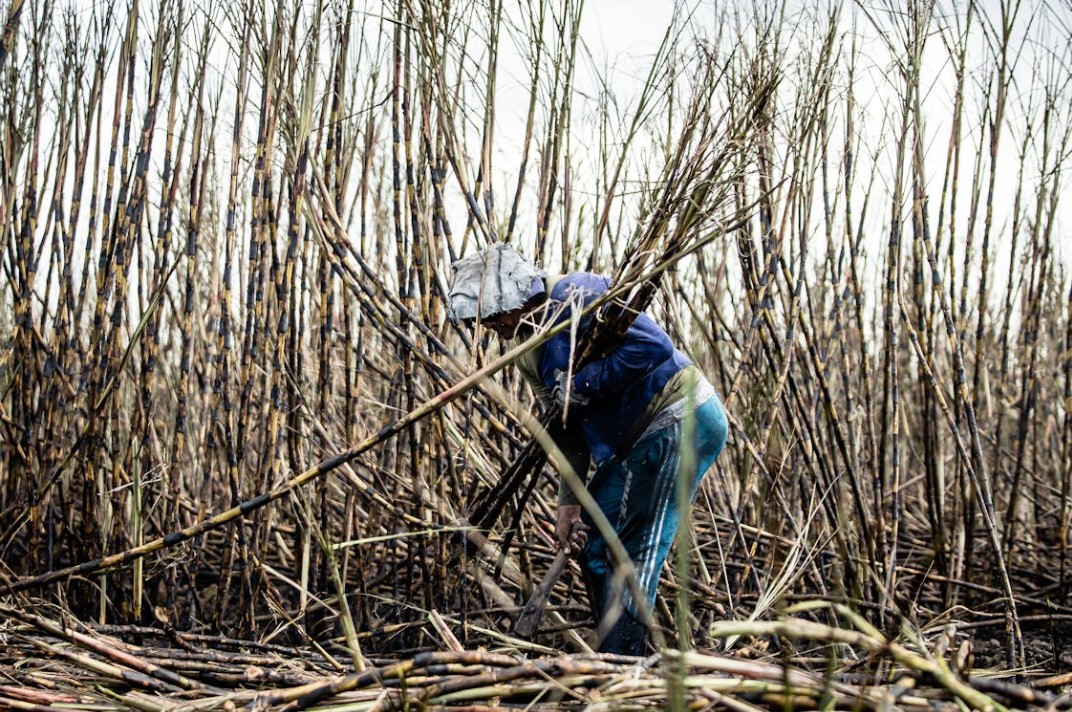
Founded in 1964, CASSA is one of El Salvador’s largest sugar producers. The company operates two sugar mills with combined sugar cane plantations of around 34,000 hectares and a processing capacity of 21,100 metric tons of cane per day.
Both mills also operate cogeneration plants capable of producing 107,400 kilowatt-hours of electricity per day, enough to supply around 200,000 households in El Salvador.
DEG said the financing will support an important employer in the country’s sugar industry. CASSA provides about 10,300 jobs, 16% of which are held by women, and sources from more than 3,000 local sugar cane suppliers.
The financing combines growth and refinancing capital, a structure often used by development lenders to help emerging-market companies modernise operations while easing short-term funding pressures.
CASSA has been investing in technological and agricultural upgrades to improve productivity and meet international environmental and social standards.
The company holds certifications including Bonsucro and Fairtrade and generates renewable energy through its cogeneration facilities.
DEG said it will support CASSA’s efforts to further strengthen its environmental and social standards. The investment is expected to contribute to SDG 7 on affordable and clean energy, SDG 8 on decent work and economic growth, and SDG 12 on responsible consumption and production.
The transaction underscores growing DFI interest in financing agricultural processing companies that combine rural employment, renewable energy generation, and supply-chain resilience.
Recent Comments